Human rights officials for other cities offer insights.
JAMIE LOO, Tribune Staff Writer
7/6/06
SOUTH BEND -- It could've been a night for the Common Council to make history, said Council Member Charlotte Pfeifer, D-2nd.
Instead, after a four-hour hearing and vote, it ended in a 5-4 defeat of an amendment which would've added sexual orientation and gender identity to the city's anti-discrimination code.
The five council members who voted against the amendment were Derek Dieter, D-1st; David Varner, R-5th; Erv Kuspa, D-6th; Timothy Rouse, D-at large, and Karen White, D-at large. Voting in favor of the amendments were Pfeifer, Roland Kelly, D-3rd; Ann Puzzello, D-4th; and Al "Buddy" Kirsits, D-at large.
Following the vote, Catherine Pittman, a member of South Bend Equality, which fought for the bill's passage, said the group was disappointed but undeterred. The council could've made the choice to pass the amendments to allow gay, lesbian, bisexual and transgender persons to bring their concerns to the Human Rights Commission. The group will continue to fight for GLBT civil rights in this community, Pittman said.
"We're going to keep coming to Common Council," Pittman said. "There's no other place to go. We're going to continue to bring our concerns here."
Before the vote, Pfeifer and Kelly said the research and dialogue for the amendments have taken about two years. The bill is about civil rights, not about the acceptance of gays, lesbians, bisexual and transgender people, they said.
Puzzello said No Special Rights, a group opposed to the bill, has said repeatedly it is "lovingly opposed" to the legislation. But Puzzello said it doesn't make sense to oppose equality.
"We cannot lovingly oppose this right. It's discrimination and certainly has nothing to do with love," she said.
Kirsits agreed, and said although the majority of comments he received from the public were civil, he received a few that were violent and hateful.
"I certainly feel we need a public policy so that those who have the violence and hatred don't act on it," he said.
Varner said he felt the ordinance would create a protected class. Dieter said he felt the ordinance was shaky since there was no unified opinion on enforceability. The definition of sexual orientation is too broad, Kuspa said, and if passed could discriminate against those morally opposed to homosexuality.
Rouse repeated the oath of office he took as a council member, which he said didn't include making history or becoming a "trailblazer."
"I don't believe anyone is saying we support discrimination but there are a number of issues we still need to address," White said.
Council members exchanged strong words during the afternoon personnel and finance committee meeting.
Varner said the city should wait until something is done on a state or federal level.
"You're talking about sweeping it under the rug and forgetting about it," Kelly said.
"No, sir," Varner replied.
"You know as well as I do, David, the way the state and federal government operate," Kelly said. "We have to start somewhere and I think it's important that we start locally. ... It's important to me we make a statement about human rights."
Friday, May 9, 2008

Let's set record straight on proposed ordinance addition
MICHIANA POINT OF VIEW
RHONDA REDMAN and CATHERINE PITTMAN
7/5/06
In response to a great deal of irrelevant and misleading information presented by Patrick Mangan's group, South Bend Equality would like to take this opportunity to set the record straight and to remind people what the proposed amendment to add sexual orientation and gender identity to the human rights ordinance is really about.
The only thing that this ordinance changes is that it allows an individual who feels he or she has been discriminated against on the basis of his or her sexual orientation or gender identity to enter the offices of South Bend's Human Rights Commission and ask someone to consider his or her case. Today, because this amendment is not yet enacted, both gay and straight individuals have no one to ask for assistance if they feel that they are facing such discrimination. In a word, the proposed amendment is about fairness.
Discrimination against GLBT people (and those perceived as such) is present in our community and it is, at this time, legal. Currently, South Bend's Human Rights Commission has authority to investigate claims of discrimination based only on race, religion, color, sex, disability, national origin or ancestry and familial status. Amending the Human Rights Ordinance to add sexual orientation and gender identity would change that by giving the Human Rights Commission authority to investigate claims of discrimination on the basis of sexual orientation or gender identity in the specific areas of employment, housing, education and public accommodation.
Members of South Bend Equality appreciate and respect the diverse religious beliefs regarding this issue. We have, from the beginning, supported an exemption for faith-based organizations. This would include places of worship. Those who say that this amendment will force churches to hire GLBT individuals are incorrect. Religious organizations have always been exempt from much of the original human rights ordinance. For example, some churches limit the roles of women within their organizations. This is, and always has been, legal. The proposed amendment would not change that. Those who are currently exempt would continue to be exempt.
Although Mangan's group would have you believe that this proposed amendment would give "special rights" to GLBT individuals, the truth is that everyone would be protected from being treated unfairly because of actual or perceived sexual orientation or gender identity. We aren't asking for "special rights" for the GLBT community. Quite the opposite is true. Rather than giving "special rights" to any one group, this amendment would expand the rights of all citizens.
Mangan has noted that a study documenting local allegations of discrimination, which South Bend Equality had presented to the Common Council, has gone uninvestigated. The proposed amendment would remedy that by allowing the Human Rights Commission to fully investigate any claims of discrimination. The commission has a great deal of experience in not only investigating but also mediating such claims. It has 50 years of valued service to our community. Passing this amendment would provide the type of objective, impartial investigation that Mangan has said should be applied to the alleged cases of discrimination.
Mangan's group has tried to distract people from the central issues of discrimination and fairness by bringing up topics that have nothing to do with the proposed amendment. We will not be distracted. We will continue to work toward equality for all citizens. Mangan's group has tried to characterize the efforts of South Bend Equality as part of a "homosexual agenda." If we were asked to explain our agenda, this is what we would say:
We want South Bend to become a more welcoming place for everyone, a community of respect and acceptance, striving toward its goal of becoming a 21st century city.
Business leaders have already learned that embracing diversity and inclusion has a positive effect on their bottom line. According to the Human Rights Campaign's 2005 Corporate Equality Index, 5.6 million employees now work for the 101 companies receiving a perfect score for equality, indicating employment protection on the basis of sexual orientation and gender identity, among other indicators. That number is up from 690,000 employees from only 13 companies that received a perfect score in 2002. A total of 113 companies rated by the Corporate Equality Index have "gender identity or expression" protection in their nondiscrimination policies, up more than 90 percent since the 2004 report. Many of these inclusive companies are a part of our own South Bend neighborhoods.
A record 92 percent of the Fortune 500 companies, notably the most successful companies in the world, protect their employees against discrimination on the basis of sexual orientation. In fact, all five of the Fortune 500 companies headquartered in Indiana have such protection. In addition, our own state employment policy that was put in place by Gov. Frank O'Bannon states that "sexual orientation and gender identity shall not be a consideration in hiring, development, advancement and termination of civilian employees." Equality in the workforce is not only good for business, it has become a steadfast Hoosier value.
Currently, the federal government, the District of Columbia, and at least 26 states, 52 counties and 228 cities already have legislation, executive orders or policies that contain some form of equal protection for GLBT individuals. Included in that number are six Indiana cities. We are committed to helping South Bend become the seventh.
A recently released Indiana University poll found that an overwhelming 79 percent of Indiana residents believe that gay and lesbian Hoosiers should have the same civil rights protections as others. Acceptance of discrimination is quickly becoming a thing of the past all across our nation.
Stereotypes will never be able to accurately describe any group of individuals. Mangan's group has presented a stereotypical image of the GLBT community that is unrealistic and unfair. They have claimed that South Bend Equality is a gay activist group, but South Bend Equality is a large group that personifies diversity. It was born out of a discussion by two married women talking together on an AIDS walk. More citizens are joining us, and saying "We care about equality." We are men and women, young and old, gay and straight, individuals from a variety of socio-economic and cultural backgrounds. Some of us are raising families and some are single. We are living proof that diversity enables a group not only to succeed, but to excel.
South Bend Equality is fully committed to helping to make South Bend a welcoming place where everyone is free to live their lives, raise their families and participate fully in our community without fear. We hope that you will stand with us in asking the South Bend Common Council to pass Bill 29-06 to add sexual orientation and gender identity to South Bend's human rights ordinance.
Rhonda Redman and Catherine Pittman are members of South Bend Equality. Group members Mary Porter, Robert Holmer and Astrid Henry also contributed to this viewpoint.
RHONDA REDMAN and CATHERINE PITTMAN
7/5/06
In response to a great deal of irrelevant and misleading information presented by Patrick Mangan's group, South Bend Equality would like to take this opportunity to set the record straight and to remind people what the proposed amendment to add sexual orientation and gender identity to the human rights ordinance is really about.
The only thing that this ordinance changes is that it allows an individual who feels he or she has been discriminated against on the basis of his or her sexual orientation or gender identity to enter the offices of South Bend's Human Rights Commission and ask someone to consider his or her case. Today, because this amendment is not yet enacted, both gay and straight individuals have no one to ask for assistance if they feel that they are facing such discrimination. In a word, the proposed amendment is about fairness.
Discrimination against GLBT people (and those perceived as such) is present in our community and it is, at this time, legal. Currently, South Bend's Human Rights Commission has authority to investigate claims of discrimination based only on race, religion, color, sex, disability, national origin or ancestry and familial status. Amending the Human Rights Ordinance to add sexual orientation and gender identity would change that by giving the Human Rights Commission authority to investigate claims of discrimination on the basis of sexual orientation or gender identity in the specific areas of employment, housing, education and public accommodation.
Members of South Bend Equality appreciate and respect the diverse religious beliefs regarding this issue. We have, from the beginning, supported an exemption for faith-based organizations. This would include places of worship. Those who say that this amendment will force churches to hire GLBT individuals are incorrect. Religious organizations have always been exempt from much of the original human rights ordinance. For example, some churches limit the roles of women within their organizations. This is, and always has been, legal. The proposed amendment would not change that. Those who are currently exempt would continue to be exempt.
Although Mangan's group would have you believe that this proposed amendment would give "special rights" to GLBT individuals, the truth is that everyone would be protected from being treated unfairly because of actual or perceived sexual orientation or gender identity. We aren't asking for "special rights" for the GLBT community. Quite the opposite is true. Rather than giving "special rights" to any one group, this amendment would expand the rights of all citizens.
Mangan has noted that a study documenting local allegations of discrimination, which South Bend Equality had presented to the Common Council, has gone uninvestigated. The proposed amendment would remedy that by allowing the Human Rights Commission to fully investigate any claims of discrimination. The commission has a great deal of experience in not only investigating but also mediating such claims. It has 50 years of valued service to our community. Passing this amendment would provide the type of objective, impartial investigation that Mangan has said should be applied to the alleged cases of discrimination.
Mangan's group has tried to distract people from the central issues of discrimination and fairness by bringing up topics that have nothing to do with the proposed amendment. We will not be distracted. We will continue to work toward equality for all citizens. Mangan's group has tried to characterize the efforts of South Bend Equality as part of a "homosexual agenda." If we were asked to explain our agenda, this is what we would say:
We want South Bend to become a more welcoming place for everyone, a community of respect and acceptance, striving toward its goal of becoming a 21st century city.
Business leaders have already learned that embracing diversity and inclusion has a positive effect on their bottom line. According to the Human Rights Campaign's 2005 Corporate Equality Index, 5.6 million employees now work for the 101 companies receiving a perfect score for equality, indicating employment protection on the basis of sexual orientation and gender identity, among other indicators. That number is up from 690,000 employees from only 13 companies that received a perfect score in 2002. A total of 113 companies rated by the Corporate Equality Index have "gender identity or expression" protection in their nondiscrimination policies, up more than 90 percent since the 2004 report. Many of these inclusive companies are a part of our own South Bend neighborhoods.
A record 92 percent of the Fortune 500 companies, notably the most successful companies in the world, protect their employees against discrimination on the basis of sexual orientation. In fact, all five of the Fortune 500 companies headquartered in Indiana have such protection. In addition, our own state employment policy that was put in place by Gov. Frank O'Bannon states that "sexual orientation and gender identity shall not be a consideration in hiring, development, advancement and termination of civilian employees." Equality in the workforce is not only good for business, it has become a steadfast Hoosier value.
Currently, the federal government, the District of Columbia, and at least 26 states, 52 counties and 228 cities already have legislation, executive orders or policies that contain some form of equal protection for GLBT individuals. Included in that number are six Indiana cities. We are committed to helping South Bend become the seventh.
A recently released Indiana University poll found that an overwhelming 79 percent of Indiana residents believe that gay and lesbian Hoosiers should have the same civil rights protections as others. Acceptance of discrimination is quickly becoming a thing of the past all across our nation.
Stereotypes will never be able to accurately describe any group of individuals. Mangan's group has presented a stereotypical image of the GLBT community that is unrealistic and unfair. They have claimed that South Bend Equality is a gay activist group, but South Bend Equality is a large group that personifies diversity. It was born out of a discussion by two married women talking together on an AIDS walk. More citizens are joining us, and saying "We care about equality." We are men and women, young and old, gay and straight, individuals from a variety of socio-economic and cultural backgrounds. Some of us are raising families and some are single. We are living proof that diversity enables a group not only to succeed, but to excel.
South Bend Equality is fully committed to helping to make South Bend a welcoming place where everyone is free to live their lives, raise their families and participate fully in our community without fear. We hope that you will stand with us in asking the South Bend Common Council to pass Bill 29-06 to add sexual orientation and gender identity to South Bend's human rights ordinance.
Rhonda Redman and Catherine Pittman are members of South Bend Equality. Group members Mary Porter, Robert Holmer and Astrid Henry also contributed to this viewpoint.
Voices behind the battle for gay-rights protections in South Bend
Participants describe why they believe gay-rights amendments necessary.
JAMIE LOO, Tribune Staff Writer
7/03/06
Three of the following stories were included in South Bend Equality's study on discrimination.
SOUTH BEND -- Robert Seifert says he knew what discrimination looked like.
Seifert saw many things after he graduated from Central High School and left for college. In the 1970s, he found himself in San Francisco. An advocate for the Bay Area Alliance Against Racist and Political Oppression, he aided those who faced discrimination.
Years later, when he returned, he says he became the target of "overt homophobia" for the first time.
"And it was very sad, because this was happening in my hometown," Seifert said. "Where I grew up, where I chose to work and live."
Seifert had been installing art in the evenings for a local nonprofit group since 1984. In 1995, a new security guard was hired who Seifert said had a habit of making homophobic remarks. The remarks were directed at both Seifert and other employees the security guard perceived to be gay or lesbian.
"There were several occasions where I would say things like, 'We're all here to do our jobs regardless of what we are. I don't see why this is an issue. You need to just back off,'" he said. "And the security guard would sort of giggle about it as though he thought it was fun."
After about eight months of trying to stop the harassment himself, Seifert reported it to the executive director and assistant director.The security guard stopped making derogatory statements for a short time but then started again later. According to Seifert, the executive director and assistant kept saying they would take care of it. Although reprimanded a few times, the security guard continued, and Seifert said the man seemed to relish the fact that he could get away with it.
Seifert said he didn't want the security guard to lose his job or to go to court.
"All I wanted was for an understanding to take place. That we are a diverse community working in a diverse work situation and that everybody has the right to be respected equally," Seifert said.
Three years passed, and the harassment continued. He called the Human Rights Commission but said he was under the impression that there wasn't much the commission could do for him.
Seifert talked to a friend who is a federal civil rights administrator. Since his workplace receives some federal money, Seifert's friend said he could file a "complaint as a hostile work environment." While Seifert considered that option the security guard was diagnosed with a terminal illness. In a few months, the security guard died.
If the amendments to the Human Rights Ordinance passed, Seifert said the HRC would have the proper training to investigate such situations."I really think those involved at the foundation were very earnest in trying to solve the problem," Seifert said. "The situation was such that they didn't really have the time or the proper know-how to deal with this."
'You don't have any protection'
As parishioners worked around the Southside Christian Church (Disciples of Christ), minister Martha Carroll said, a pickup truck with a few men drove fast through the parking lot, honking their horns and yelling derogatory terms out the window.
A few months later, another truck came through, this time while Carroll was preaching a Sunday sermon.
"Being harassed like that on our property, while we're working and worshipping, is unsettling," Carroll said.
The church became "open and affirming" of gays in 1993. Carroll, who has been the minister there for 10 years, said she has heard stories of discrimination from gay members of her congregation who have been rejected by their families and other churches. Carroll knows strategies some parishioners use to cover up their sexual identity such as avoiding conversations about family or putting up pictures at work.
Carroll understands that all too well.
After her first month at seminary, Carroll went to her psychology professor for guidance on how to change herself from being lesbian. As a lesbian, she couldn't become a minister in the United Methodist Church. Her professor suggested she go through reparative therapy, a process meant to reverse homosexuality.
Carroll went through therapy, married and had a daughter. She also switched denominations to the Christian Church (Disciples of Christ). After 10 years of marriage, her husband asked for a divorce in 1985. The therapy had failed.
"The result was anger, depression, emotionally absent from my marriage, and so much grief for our family and for our child," Carroll said. "I spent much longer time in therapy to undo the damage that had been done (by reparative therapy)."
Living in Arkansas as a minister who was openly lesbian, she couldn't find a job. She took a job for a child protective services agency, investigating cases of child abuse and neglect. Carroll moved up quickly in the agency and became a liaison for a few counties to the state office.
Then one day, one of the boards that oversaw the office found out Carroll is a lesbian. At a meeting with the board and representatives from the state office, Carroll said she was "called a name" for the first time.
During the proceedings, she talked to an attorney.
"And that's when I found out you don't have any protection. I was a white middle-class female. I had heard all my life that my rights were protected," Carroll said.
Although she won her case, Carroll said the work environment was no longer good for her. Carroll had no legal recourse at the time. If the proposed ordinance passed, all it would do is provide that option, she said.
"It's not going to solve all the problems that GLBT people face, but it protects the most basic rights," Carroll said. "I mean, when did housing become a special right? Does everyone discriminate against GLBT people when it comes to housing? No. But for those cases where that does happen, the person will have someone they can go to."
'They can color your perception of everything'
While Robin MacRorie was having a bad asthma attack in 2001, her partner of seven years, Amber Pardue, rushed her to a local hospital.
When a nurse asked MacRorie questions about her medical history, Pardue attempted to answer for her. Although MacRorie couldn't breathe, the nurse refused to take any information from Pardue.
"The nurse would turn, look me straight in the face and ask the question again. She wouldn't take any of the information until I gasped it out," MacRorie said.
Pardue said the head nurse overheard what was happening, removed the other nurse and took over MacRorie's care. MacRorie and Pardue both said they can't imagine what would've happened if that second nurse didn't show up.
"The frustrating thing to me is that it was simple. All they had to do was give me an inhaler treatment, a nebulizer treatment and that was it," MacRorie said.
There are some restaurants the two won't go to, they said.
"We have problems where once we get seated the waiter or waitress will ignore us and concentrate on everyone else and make us wait twice as long to take the order," Pardue said.
They stopped frequenting a local grocery store because of one clerk.
"She always made nasty comments, not very under her breath, every time we went through the line," Pardue said.Once while at a stoplight, a car full of teenage boys yelled out the window at MacRorie and Pardue's vehicle.For the most part, separately or together, Pardue said these incidents of discrimination don't happen every day.
"But when the events happen, they're intense enough that they can color your perception of everything," Pardue said.
As a student at Indiana University South Bend, Pardue said the student nondiscrimination code protects sexual orientation. That same freedom doesn't apply to most other places in the city.
"We're not talking about whether anyone approves of my behavior," Pardue said. "We're talking about basic civil rights that I've been denied just because someone makes assumptions about my sex life."
JAMIE LOO, Tribune Staff Writer
7/03/06
Three of the following stories were included in South Bend Equality's study on discrimination.
SOUTH BEND -- Robert Seifert says he knew what discrimination looked like.
Seifert saw many things after he graduated from Central High School and left for college. In the 1970s, he found himself in San Francisco. An advocate for the Bay Area Alliance Against Racist and Political Oppression, he aided those who faced discrimination.
Years later, when he returned, he says he became the target of "overt homophobia" for the first time.
"And it was very sad, because this was happening in my hometown," Seifert said. "Where I grew up, where I chose to work and live."
Seifert had been installing art in the evenings for a local nonprofit group since 1984. In 1995, a new security guard was hired who Seifert said had a habit of making homophobic remarks. The remarks were directed at both Seifert and other employees the security guard perceived to be gay or lesbian.
"There were several occasions where I would say things like, 'We're all here to do our jobs regardless of what we are. I don't see why this is an issue. You need to just back off,'" he said. "And the security guard would sort of giggle about it as though he thought it was fun."
After about eight months of trying to stop the harassment himself, Seifert reported it to the executive director and assistant director.The security guard stopped making derogatory statements for a short time but then started again later. According to Seifert, the executive director and assistant kept saying they would take care of it. Although reprimanded a few times, the security guard continued, and Seifert said the man seemed to relish the fact that he could get away with it.
Seifert said he didn't want the security guard to lose his job or to go to court.
"All I wanted was for an understanding to take place. That we are a diverse community working in a diverse work situation and that everybody has the right to be respected equally," Seifert said.
Three years passed, and the harassment continued. He called the Human Rights Commission but said he was under the impression that there wasn't much the commission could do for him.
Seifert talked to a friend who is a federal civil rights administrator. Since his workplace receives some federal money, Seifert's friend said he could file a "complaint as a hostile work environment." While Seifert considered that option the security guard was diagnosed with a terminal illness. In a few months, the security guard died.
If the amendments to the Human Rights Ordinance passed, Seifert said the HRC would have the proper training to investigate such situations."I really think those involved at the foundation were very earnest in trying to solve the problem," Seifert said. "The situation was such that they didn't really have the time or the proper know-how to deal with this."
'You don't have any protection'
As parishioners worked around the Southside Christian Church (Disciples of Christ), minister Martha Carroll said, a pickup truck with a few men drove fast through the parking lot, honking their horns and yelling derogatory terms out the window.
A few months later, another truck came through, this time while Carroll was preaching a Sunday sermon.
"Being harassed like that on our property, while we're working and worshipping, is unsettling," Carroll said.
The church became "open and affirming" of gays in 1993. Carroll, who has been the minister there for 10 years, said she has heard stories of discrimination from gay members of her congregation who have been rejected by their families and other churches. Carroll knows strategies some parishioners use to cover up their sexual identity such as avoiding conversations about family or putting up pictures at work.
Carroll understands that all too well.
After her first month at seminary, Carroll went to her psychology professor for guidance on how to change herself from being lesbian. As a lesbian, she couldn't become a minister in the United Methodist Church. Her professor suggested she go through reparative therapy, a process meant to reverse homosexuality.
Carroll went through therapy, married and had a daughter. She also switched denominations to the Christian Church (Disciples of Christ). After 10 years of marriage, her husband asked for a divorce in 1985. The therapy had failed.
"The result was anger, depression, emotionally absent from my marriage, and so much grief for our family and for our child," Carroll said. "I spent much longer time in therapy to undo the damage that had been done (by reparative therapy)."
Living in Arkansas as a minister who was openly lesbian, she couldn't find a job. She took a job for a child protective services agency, investigating cases of child abuse and neglect. Carroll moved up quickly in the agency and became a liaison for a few counties to the state office.
Then one day, one of the boards that oversaw the office found out Carroll is a lesbian. At a meeting with the board and representatives from the state office, Carroll said she was "called a name" for the first time.
During the proceedings, she talked to an attorney.
"And that's when I found out you don't have any protection. I was a white middle-class female. I had heard all my life that my rights were protected," Carroll said.
Although she won her case, Carroll said the work environment was no longer good for her. Carroll had no legal recourse at the time. If the proposed ordinance passed, all it would do is provide that option, she said.
"It's not going to solve all the problems that GLBT people face, but it protects the most basic rights," Carroll said. "I mean, when did housing become a special right? Does everyone discriminate against GLBT people when it comes to housing? No. But for those cases where that does happen, the person will have someone they can go to."
'They can color your perception of everything'
While Robin MacRorie was having a bad asthma attack in 2001, her partner of seven years, Amber Pardue, rushed her to a local hospital.
When a nurse asked MacRorie questions about her medical history, Pardue attempted to answer for her. Although MacRorie couldn't breathe, the nurse refused to take any information from Pardue.
"The nurse would turn, look me straight in the face and ask the question again. She wouldn't take any of the information until I gasped it out," MacRorie said.
Pardue said the head nurse overheard what was happening, removed the other nurse and took over MacRorie's care. MacRorie and Pardue both said they can't imagine what would've happened if that second nurse didn't show up.
"The frustrating thing to me is that it was simple. All they had to do was give me an inhaler treatment, a nebulizer treatment and that was it," MacRorie said.
There are some restaurants the two won't go to, they said.
"We have problems where once we get seated the waiter or waitress will ignore us and concentrate on everyone else and make us wait twice as long to take the order," Pardue said.
They stopped frequenting a local grocery store because of one clerk.
"She always made nasty comments, not very under her breath, every time we went through the line," Pardue said.Once while at a stoplight, a car full of teenage boys yelled out the window at MacRorie and Pardue's vehicle.For the most part, separately or together, Pardue said these incidents of discrimination don't happen every day.
"But when the events happen, they're intense enough that they can color your perception of everything," Pardue said.
As a student at Indiana University South Bend, Pardue said the student nondiscrimination code protects sexual orientation. That same freedom doesn't apply to most other places in the city.
"We're not talking about whether anyone approves of my behavior," Pardue said. "We're talking about basic civil rights that I've been denied just because someone makes assumptions about my sex life."
2004 Michiana study finds allegations of gay discrimination
Opposition group disputes study counts as evidence.
JAMIE LOO, Tribune Staff Writer
7/03/06
SOUTH BEND -- South Bend Equality, which was created to fight for amendments to the Human Rights Ordinance protecting sexual orientation and gender identity, conducted a study on gay discrimination in 2004.
The study included interviews with local gay, lesbian, bisexual and transgender residents who say they have faced discrimination in Michiana.
Catherine Pittman, an associate professor at Saint Mary's College and a member of SBE, and SBE member and former human rights commission member Gail McGuire, conducted the study, which received approval from an institutional review board.
SBE presented the study to the Common Council and has repeatedly cited it as evidence of discrimination against gays in the city.
No Special Rights, which is against the proposed amendments, has criticized the study. No Special Rights member Joseph Sergio said case studies are the weakest methodology for researchers. At a hearing in May, he called the study "seriously flawed and biased" and said it should have been conducted by an independent researcher to have merit.
Sergio also argued that none of the cases were investigated and that the study was just made of stories of alleged discrimination.
Pittman said NSR also used personal stories in their evidence that can be considered case studies. SBE never implied the cases presented were investigated, she said. Because no protection exists in the current law, those cases couldn't be investigated by the Human Rights Commission.
"What we were doing was simply providing evidence that complaints of discrimination existed and we were documenting that. We were presenting allegations, not completed investigations," Pittman said.
JAMIE LOO, Tribune Staff Writer
7/03/06
SOUTH BEND -- South Bend Equality, which was created to fight for amendments to the Human Rights Ordinance protecting sexual orientation and gender identity, conducted a study on gay discrimination in 2004.
The study included interviews with local gay, lesbian, bisexual and transgender residents who say they have faced discrimination in Michiana.
Catherine Pittman, an associate professor at Saint Mary's College and a member of SBE, and SBE member and former human rights commission member Gail McGuire, conducted the study, which received approval from an institutional review board.
SBE presented the study to the Common Council and has repeatedly cited it as evidence of discrimination against gays in the city.
No Special Rights, which is against the proposed amendments, has criticized the study. No Special Rights member Joseph Sergio said case studies are the weakest methodology for researchers. At a hearing in May, he called the study "seriously flawed and biased" and said it should have been conducted by an independent researcher to have merit.
Sergio also argued that none of the cases were investigated and that the study was just made of stories of alleged discrimination.
Pittman said NSR also used personal stories in their evidence that can be considered case studies. SBE never implied the cases presented were investigated, she said. Because no protection exists in the current law, those cases couldn't be investigated by the Human Rights Commission.
"What we were doing was simply providing evidence that complaints of discrimination existed and we were documenting that. We were presenting allegations, not completed investigations," Pittman said.
Rights debate draws Internet attacks
Bloggers from other towns and states weigh in on issue.
JAMIE LOO, Tribune Staff Writer
5/20/06
SOUTH BEND -- The debate over a proposed change to a human rights ordinance has spilled out of city council chambers and into defamatory hate speech on the Internet, according to No Special Rights member Patrick Mangan.
No Special Rights, a group that opposes amendments that would extend civil rights protections based on sexual orientation and gender identity, issued a statement Friday denouncing attacks on the group that are on Internet sites emanating from other parts of Indiana and across the country. Mangan said various Web sites such as Georgia Equality, Psychology News and the University of Florida's Queer News Gator-Gay Straight Alliance are weighing in on the issue in South Bend with "shockingly unkind defamatory comments."
Mangan said South Bend Common Council public hearings so far have been characterized on these sites as "hate-filled," and the sites called No Special Rights a "Christian hate group" and have labeled its members "bigots."
Mangan focused on one site, Advance Indiana, saying it has posted some of the most outrageous attacks. No Special Rights member Jay Dunlap had publicly talked about his gay brother, Tim, and Tim's death as a result of the gay lifestyle. In a recent post, blogger Gary Welsh said, "Tim Dunlap died because he didn't have a loving and caring family who accepted him for who God made him."
The statements set out to "demonize" those who are opposed to the proposed legislation, Mangan said. No Special Rights called for a public apology from Advance Indiana and asked South Bend Equality, along with council members Charlotte Pfeifer, D-2nd, and Roland Kelly, D-3rd, to "denounce and repudiate the actions of their supporters Advance Indiana." Mangan said if Pfeifer, Kelly and South Bend Equality don't publicly separate themselves from Advance Indiana, it will hurt the "sincerity of those who present a kind face on behalf of these changes."
Although that blog is based in Indianapolis, Mangan said he believes Advance Indiana is connected to South Bend Equality, which has been promoting the amendments.
Catherine Pittman, a member of South Bend Equality, said Friday that the group has no connection to Advance Indiana. After a call from The Tribune, Pittman said she looked at Welsh's Web site and feels that Advance Indiana is a blog by an individual and not sponsored by a gay rights group.
"South Bend Equality has been committed to treating all individuals with respect and compassion and we will continue to do so," Pittman said.
Welsh isn't a member of South Bend Equality, and Pittman said she doesn't understand how Mangan expects the group to control an individual outside of South Bend Equality or the creators of other Web sites weighing in on the issue.
"South Bend Equality has no control over blogs by an individual in Indianapolis," she said.
Pfeifer and Kelly both expressed concern that people outside of the city are disrespectfully commenting on groups involved with the proposed legislation. Pfeifer said Welsh had no right to judge the Dunlap family.
"I denounce any dialogue or any actions going on outside of South Bend that's defamatory against anyone on either side," Pfeifer said.
"I certainly denounce anyone who insults anyone on either side of the issue," Kelly said.
Pfeifer and Kelly said the public hearings have been civil, and both council members said they hope the dialogue will continue that way.
Welsh confirmed that Advance Indiana is the name of his personal blog and is not a group. The blog has no ties to South Bend Equality, he said.
Welsh said he will not apologize to No Special Rights for his "bigot" remarks because he is expressing his opinion on their beliefs about sexual orientation as a choice. As a gay man and a person of faith, Welsh said he finds it offensive when a group condemns gay people as immoral. It is the same argument used by religious groups for discrimination against women, African-Americans and other groups in history, he said.
In the interview and later on his blog, Welsh extended an apology to the Dunlap family for characterizing a family situation he wasn't part of.
JAMIE LOO, Tribune Staff Writer
5/20/06
SOUTH BEND -- The debate over a proposed change to a human rights ordinance has spilled out of city council chambers and into defamatory hate speech on the Internet, according to No Special Rights member Patrick Mangan.
No Special Rights, a group that opposes amendments that would extend civil rights protections based on sexual orientation and gender identity, issued a statement Friday denouncing attacks on the group that are on Internet sites emanating from other parts of Indiana and across the country. Mangan said various Web sites such as Georgia Equality, Psychology News and the University of Florida's Queer News Gator-Gay Straight Alliance are weighing in on the issue in South Bend with "shockingly unkind defamatory comments."
Mangan said South Bend Common Council public hearings so far have been characterized on these sites as "hate-filled," and the sites called No Special Rights a "Christian hate group" and have labeled its members "bigots."
Mangan focused on one site, Advance Indiana, saying it has posted some of the most outrageous attacks. No Special Rights member Jay Dunlap had publicly talked about his gay brother, Tim, and Tim's death as a result of the gay lifestyle. In a recent post, blogger Gary Welsh said, "Tim Dunlap died because he didn't have a loving and caring family who accepted him for who God made him."
The statements set out to "demonize" those who are opposed to the proposed legislation, Mangan said. No Special Rights called for a public apology from Advance Indiana and asked South Bend Equality, along with council members Charlotte Pfeifer, D-2nd, and Roland Kelly, D-3rd, to "denounce and repudiate the actions of their supporters Advance Indiana." Mangan said if Pfeifer, Kelly and South Bend Equality don't publicly separate themselves from Advance Indiana, it will hurt the "sincerity of those who present a kind face on behalf of these changes."
Although that blog is based in Indianapolis, Mangan said he believes Advance Indiana is connected to South Bend Equality, which has been promoting the amendments.
Catherine Pittman, a member of South Bend Equality, said Friday that the group has no connection to Advance Indiana. After a call from The Tribune, Pittman said she looked at Welsh's Web site and feels that Advance Indiana is a blog by an individual and not sponsored by a gay rights group.
"South Bend Equality has been committed to treating all individuals with respect and compassion and we will continue to do so," Pittman said.
Welsh isn't a member of South Bend Equality, and Pittman said she doesn't understand how Mangan expects the group to control an individual outside of South Bend Equality or the creators of other Web sites weighing in on the issue.
"South Bend Equality has no control over blogs by an individual in Indianapolis," she said.
Pfeifer and Kelly both expressed concern that people outside of the city are disrespectfully commenting on groups involved with the proposed legislation. Pfeifer said Welsh had no right to judge the Dunlap family.
"I denounce any dialogue or any actions going on outside of South Bend that's defamatory against anyone on either side," Pfeifer said.
"I certainly denounce anyone who insults anyone on either side of the issue," Kelly said.
Pfeifer and Kelly said the public hearings have been civil, and both council members said they hope the dialogue will continue that way.
Welsh confirmed that Advance Indiana is the name of his personal blog and is not a group. The blog has no ties to South Bend Equality, he said.
Welsh said he will not apologize to No Special Rights for his "bigot" remarks because he is expressing his opinion on their beliefs about sexual orientation as a choice. As a gay man and a person of faith, Welsh said he finds it offensive when a group condemns gay people as immoral. It is the same argument used by religious groups for discrimination against women, African-Americans and other groups in history, he said.
In the interview and later on his blog, Welsh extended an apology to the Dunlap family for characterizing a family situation he wasn't part of.
Third gay rights hearing packed with emotion
Members of public share personal stories
JAMIE LOO, Tribune Staff Writer
5/18/06
SOUTH BEND – Beyond the statistics and packets of information, the public offered emotional personal testimony about proposed changes to the human rights ordinance during the Common Council’s third public hearing Wednesday.
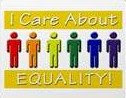
Extra chairs were set up outside of council chambers, but most people chose to stand in the back of the room. No Special Rights gave out blue and yellow stickers which read “Protect Our Children” and had the group’s name and others, while South Bend Equality wore pins that said “I Care About Equality!”
South Bend Equality is in favor of the ordinance, which would add language to the human rights ordinance to protect gay, lesbian, bisexual and transgendered people from discrimination. No Special Rights is opposing the legislation, arguing that it confers special rights to an already protected group.
Jay Dunlap said laws in Massachusetts allowing gay marriage shut down the adoption branch of Catholic Charities in Boston because of the church’s opposition to adopting children to gay couples. As a father of four children who were adopted through Catholic Charities, Dunlap said the group has helped to place children in difficult life situations into loving homes.
“I know personally the importance of these services,” Dunlap said. “I ask you to consider carefully what some of the unintended consequences of passing this ordinance could be.”
Twenty years ago Nancy Mascotte said her son came out to her as a gay man. Mascotte said she went through a transforming experience as she worked to understand homosexuality.
“I experienced many GLBT persons living the same values I had instilled in my son. Respect for family, self and others ... I found that people live their lives based on values, not orientation,” she said.
When the opposition talks about their “loving” prejudice against GLBT people, she said they are talking about her son, who graduated with honors from college and helped build a Habitat for Humanity house in Korea.
“I’m not asking the Common Council for sympathy for my son or any other GLBT citizen,” Mascotte said. “I’m asking for empathy. I’m asking each of you to try walking in their shoes.”
A family counselor, Nathan “Bud” Steadman, said gay rights groups have said they want to change society beyond the law and that the amendments would allow that agenda to advance in South Bend.
“Whatever ground is given to the homosexual lobby, that ground will simply be the staging area for further destructive activism,” he said. “The very fabric of American society must not change from morality-based law to immoral license.”
Dan Jordan said each time someone gives blood, a health history questionnaire is given. The questionnaire excludes anyone who has used intravenous drugs and men who have engaged in gay sex. HIV infection or people who engage in behavior that could lead to HIV, are also excluded from giving blood, he said. Jordan asked the council not to pass the amendments.
“Gays and bisexuals are not allowed to participate in something as honorable and noble and lifesaving because of chosen activities, not because of some other immutable quality,” he said.
A gay teacher who grew up in this area, Marcus Harris, said he wanted to speak out because he couldn’t stand by and see other GLBT people discriminated against. Because there is no protection for him and other good GLBT citizens in the city, he said, he stands to lose his job based on the person he loves.
Bobby Lopez, a gay high school student, said he and other GLBT students are harassed and worried about their personal safety daily. They are called names in the hallways as classmates and teachers turn a blind eye, he said. Lopez said being gay isn’t a choice and passing the proposal protects tomorrow’s leaders.
“I do not choose to get beat up every day of my life just because I’m different,” he said. “I’m the future; all of my friends are the future. Now if we have to face this kind of discrimination growing up, what kind of future is that?”
Former St. Joseph County Commissioner Mike Hamann said as a high school teacher, his students “often confuse legality with moral legitimacy.” Hamann asked the council to vote against the amendments.
Indianapolis Marion County-City Councillor Scott Keller, R-16th, said no matter what one’s morals beliefs are about homosexuality, the amendments protect basic rights.
“This can be looked at as a preventative thing,” he said.
Council member Charlotte Pfeifer, D-2nd, said the council is still expected to vote on the measure June 26 and will talk to other council members about whether more hearings are needed. Up until the vote, Pfeifer said, residents can still speak on the issue during privilege of the floor at upcoming council meetings.
JAMIE LOO, Tribune Staff Writer
5/18/06
SOUTH BEND – Beyond the statistics and packets of information, the public offered emotional personal testimony about proposed changes to the human rights ordinance during the Common Council’s third public hearing Wednesday.
Extra chairs were set up outside of council chambers, but most people chose to stand in the back of the room. No Special Rights gave out blue and yellow stickers which read “Protect Our Children” and had the group’s name and others, while South Bend Equality wore pins that said “I Care About Equality!”
South Bend Equality is in favor of the ordinance, which would add language to the human rights ordinance to protect gay, lesbian, bisexual and transgendered people from discrimination. No Special Rights is opposing the legislation, arguing that it confers special rights to an already protected group.
Jay Dunlap said laws in Massachusetts allowing gay marriage shut down the adoption branch of Catholic Charities in Boston because of the church’s opposition to adopting children to gay couples. As a father of four children who were adopted through Catholic Charities, Dunlap said the group has helped to place children in difficult life situations into loving homes.
“I know personally the importance of these services,” Dunlap said. “I ask you to consider carefully what some of the unintended consequences of passing this ordinance could be.”
Twenty years ago Nancy Mascotte said her son came out to her as a gay man. Mascotte said she went through a transforming experience as she worked to understand homosexuality.
“I experienced many GLBT persons living the same values I had instilled in my son. Respect for family, self and others ... I found that people live their lives based on values, not orientation,” she said.
When the opposition talks about their “loving” prejudice against GLBT people, she said they are talking about her son, who graduated with honors from college and helped build a Habitat for Humanity house in Korea.
“I’m not asking the Common Council for sympathy for my son or any other GLBT citizen,” Mascotte said. “I’m asking for empathy. I’m asking each of you to try walking in their shoes.”
A family counselor, Nathan “Bud” Steadman, said gay rights groups have said they want to change society beyond the law and that the amendments would allow that agenda to advance in South Bend.
“Whatever ground is given to the homosexual lobby, that ground will simply be the staging area for further destructive activism,” he said. “The very fabric of American society must not change from morality-based law to immoral license.”
Dan Jordan said each time someone gives blood, a health history questionnaire is given. The questionnaire excludes anyone who has used intravenous drugs and men who have engaged in gay sex. HIV infection or people who engage in behavior that could lead to HIV, are also excluded from giving blood, he said. Jordan asked the council not to pass the amendments.
“Gays and bisexuals are not allowed to participate in something as honorable and noble and lifesaving because of chosen activities, not because of some other immutable quality,” he said.
A gay teacher who grew up in this area, Marcus Harris, said he wanted to speak out because he couldn’t stand by and see other GLBT people discriminated against. Because there is no protection for him and other good GLBT citizens in the city, he said, he stands to lose his job based on the person he loves.
Bobby Lopez, a gay high school student, said he and other GLBT students are harassed and worried about their personal safety daily. They are called names in the hallways as classmates and teachers turn a blind eye, he said. Lopez said being gay isn’t a choice and passing the proposal protects tomorrow’s leaders.
“I do not choose to get beat up every day of my life just because I’m different,” he said. “I’m the future; all of my friends are the future. Now if we have to face this kind of discrimination growing up, what kind of future is that?”
Former St. Joseph County Commissioner Mike Hamann said as a high school teacher, his students “often confuse legality with moral legitimacy.” Hamann asked the council to vote against the amendments.
Indianapolis Marion County-City Councillor Scott Keller, R-16th, said no matter what one’s morals beliefs are about homosexuality, the amendments protect basic rights.
“This can be looked at as a preventative thing,” he said.
Council member Charlotte Pfeifer, D-2nd, said the council is still expected to vote on the measure June 26 and will talk to other council members about whether more hearings are needed. Up until the vote, Pfeifer said, residents can still speak on the issue during privilege of the floor at upcoming council meetings.
Human rights ordinance good for South Bend
MICHIANA POINT OF VIEW
5/14/06
As you may or may not know, sexual orientation is not included in state or federal law as a protected status. In accordance with current state or federal laws, it is possible to lose one's job due to sexual orientation.
Some say that homosexuality is a lifestyle choice and should not be elevated to a protected status. With this logic, some say other lifestyle choices such as excessive jewelry or tattooing are unacceptable in the workplace, and homosexuality should be too. The difference is appearance.
Tattoos and jewelry actually can make you look unprofessional, hurting both you and your company's image to your clients. Homosexuality is something that would neither affect your appearance nor your ability to perform well at work. Being professional in your job includes keeping your business life and your personal life separate. As long as anyone performs well at work, there should be no reason an employer would terminate employment based on personal choices. It is hypocritical to push for keeping personal problems out of the workplace, and then terminate someone for doing so. But adding sexual orientation is not only good for employees, it's also good for business.
Companies are realizing in today's fierce economy you must have the best and brightest at your side, and with expanded anti-discrimination policies this becomes possible. As of September 2005, 92 percent of Fortune 500 companies had added sexual orientation to their anti-discrimination policies. Discrimination will only limit the number of talented employees at a company's disposal, hindering a company's ability to work at peak efficiency.
Encouraging diversity not only opens up employment opportunities, but it also increases tolerance in and out of the workplace. Having tolerant and open work environments not only creates a more comfortable environment for employees, but it also improves the image of a company in its community. Tolerant attitudes are the basis for a strong community, serving as a beacon to further attract talent from around the nation.
It's because of the benefits tolerance produces for our community that we must act to add this status to our list of protected persons. And with no required state or federal standard for this type of discrimination, it is at the community level that these changes can have the most effect. If we stand up as a community, the rest of the nation will soon notice.
Indiana's governor has already added sexual orientation and gender identity to the list of protected persons for state employees. As Gov. Mitch Daniels said in his policy statement, "Employment opportunities will be made in a manner that will advance the principles of equal employment opportunity." This has helped to illustrate that it is not a matter of conservative values versus liberal ideals. It is simply a question of fairness in the workplace. Taking this issue to partisan levels will only divide the community on an issue that is meant to bring it closer together.
In a city competing with the whole nation for its place on the economic totem pole, it's important for us to stand out from the crowd and make ourselves known. We are a center of industrial heritage, with the likes of Studebaker etched into our history. We are a center for higher education, with universities and colleges in ample supply. These are things for which we are known, and these are items people consider when considering locations for employment and education. Adding another positive snapshot of our community can do nothing but help our image in the nation.
Being known as a center of tolerance and acceptance is something that will register highly with those wanting good jobs and good environments for their families. Attracting these people will strengthen and diversify our community even more, raising us even further up in the national ladder.
It all starts with us right here at the local level. We have to stand up and show the nation we are a people who embrace one another's differences and grow stronger because of it. Amending our current city ordinance to include sexual orientation and gender identity is the first step we must all take to show others that we want to include everyone as we steadily rise higher on the economic ladder.
Joseph Jackmovich, South Bend
5/14/06
As you may or may not know, sexual orientation is not included in state or federal law as a protected status. In accordance with current state or federal laws, it is possible to lose one's job due to sexual orientation.
Some say that homosexuality is a lifestyle choice and should not be elevated to a protected status. With this logic, some say other lifestyle choices such as excessive jewelry or tattooing are unacceptable in the workplace, and homosexuality should be too. The difference is appearance.
Tattoos and jewelry actually can make you look unprofessional, hurting both you and your company's image to your clients. Homosexuality is something that would neither affect your appearance nor your ability to perform well at work. Being professional in your job includes keeping your business life and your personal life separate. As long as anyone performs well at work, there should be no reason an employer would terminate employment based on personal choices. It is hypocritical to push for keeping personal problems out of the workplace, and then terminate someone for doing so. But adding sexual orientation is not only good for employees, it's also good for business.
Companies are realizing in today's fierce economy you must have the best and brightest at your side, and with expanded anti-discrimination policies this becomes possible. As of September 2005, 92 percent of Fortune 500 companies had added sexual orientation to their anti-discrimination policies. Discrimination will only limit the number of talented employees at a company's disposal, hindering a company's ability to work at peak efficiency.
Encouraging diversity not only opens up employment opportunities, but it also increases tolerance in and out of the workplace. Having tolerant and open work environments not only creates a more comfortable environment for employees, but it also improves the image of a company in its community. Tolerant attitudes are the basis for a strong community, serving as a beacon to further attract talent from around the nation.
It's because of the benefits tolerance produces for our community that we must act to add this status to our list of protected persons. And with no required state or federal standard for this type of discrimination, it is at the community level that these changes can have the most effect. If we stand up as a community, the rest of the nation will soon notice.
Indiana's governor has already added sexual orientation and gender identity to the list of protected persons for state employees. As Gov. Mitch Daniels said in his policy statement, "Employment opportunities will be made in a manner that will advance the principles of equal employment opportunity." This has helped to illustrate that it is not a matter of conservative values versus liberal ideals. It is simply a question of fairness in the workplace. Taking this issue to partisan levels will only divide the community on an issue that is meant to bring it closer together.
In a city competing with the whole nation for its place on the economic totem pole, it's important for us to stand out from the crowd and make ourselves known. We are a center of industrial heritage, with the likes of Studebaker etched into our history. We are a center for higher education, with universities and colleges in ample supply. These are things for which we are known, and these are items people consider when considering locations for employment and education. Adding another positive snapshot of our community can do nothing but help our image in the nation.
Being known as a center of tolerance and acceptance is something that will register highly with those wanting good jobs and good environments for their families. Attracting these people will strengthen and diversify our community even more, raising us even further up in the national ladder.
It all starts with us right here at the local level. We have to stand up and show the nation we are a people who embrace one another's differences and grow stronger because of it. Amending our current city ordinance to include sexual orientation and gender identity is the first step we must all take to show others that we want to include everyone as we steadily rise higher on the economic ladder.
Joseph Jackmovich, South Bend
Mayor backs changes to human rights proposal
More hearings on amendment to ordinance slated prior to final vote.
JAMIE LOO, Tribune Staff Writer
May 9, 06
SOUTH BEND -- Mayor Stephen Luecke spoke in support of amending the human rights ordinance to include gay, lesbian, bisexual and transgender persons during the amendment's first public hearing on Monday afternoon.
The Common Council decided to move a public hearing and the final vote on the proposal from May 22 to June 26 to allow time for more public input and because of scheduling conflicts among council members.
"I believe it is appropriate for our community to make a stand that says we oppose discrimination against individuals of this category," Luecke said.
There is ample evidence locally and nationally of discrimination against gay, lesbian, bisexual and transgendered people to warrant protective language in the law, Luecke said.
Other cities such as Indianapolis have passed similar ordinances with either voluntary or mandatory compliance. There is some debate over whether local governments can create protected classes, and Luecke said he would support mandatory compliance in the city. Luecke said he is open to hearing more discussion on the issue from the city legal department and council members."I believe it's not only appropriate but important for the city of South Bend to make a statement for fair housing, fair employment for individuals of gay, lesbian, bisexual and transgender orientation," he said.
Catherine Pittman, a member of South Bend Equality, gave a presentation at the beginning of the hearing. During the opposition portion of the hearing No Special Rights member Patrick Mangan asked Personnel and Finance Committee Chair Charlotte Pfeifer, D-2nd, if his organization would be allowed to make a similar presentation during Wednesday's hearing.
Mangan expressed concerns last week that those who are against the proposal were not being given an equal voice in the hearing process. Following the meeting, No Special Rights member Tom Uebbing said Pfeifer is allowing the group 45 minutes to give a presentation at the Wednesday afternoon hearing.
Human Rights Commission members Bill Eagan and Penny Hughes said they were speaking at the hearing as private citizens and not as commission members. Hughes said as a real estate agent and landlord she has come across many clients who had previously experienced housing discrimination.
"You'd be surprised at the thank-you notes I've gotten after selling them (GLBT clients) a house that say, 'Thank you for treating me like a normal human being.' Because they hadn't gotten that experience before," Hughes said.It took decades of small grass-roots movements in cases such as suffrage, abolition and civil rights for real change to take place, Eagan said. Passing the ordinance won't be the end of the issue, he said, and as history has shown, sometimes laws are challenged and taken to court. Eagan, who is in favor of the amendment, said the ordinance should pass and let history take its course.
"Please vote for principle and not be unduly influenced by expediency or hate mail," he said.
The commission issued a statement in January 2005 asking the Common Council to come up with a remedy. Per Eagan's request, the commission recently discussed issuing a stronger statement in support of the amendment, according to the unofficial minutes of the Human Rights Commission meeting April 19. The commission decided to wait to hear from the Common Council before taking any action.
During the evening council meeting, several residents spoke in favor of the proposal during privilege of the floor. No one spoke in opposition.
April Lidinsky, a member of the American Association of University Women, said her organization is in favor of the amendment. The AAUW has been working on GLBT rights in communities across the U.S., she said."We cannot eliminate sexism without eliminating homophobia," Lidinsky said.
JAMIE LOO, Tribune Staff Writer
May 9, 06
SOUTH BEND -- Mayor Stephen Luecke spoke in support of amending the human rights ordinance to include gay, lesbian, bisexual and transgender persons during the amendment's first public hearing on Monday afternoon.
The Common Council decided to move a public hearing and the final vote on the proposal from May 22 to June 26 to allow time for more public input and because of scheduling conflicts among council members.
"I believe it is appropriate for our community to make a stand that says we oppose discrimination against individuals of this category," Luecke said.
There is ample evidence locally and nationally of discrimination against gay, lesbian, bisexual and transgendered people to warrant protective language in the law, Luecke said.
Other cities such as Indianapolis have passed similar ordinances with either voluntary or mandatory compliance. There is some debate over whether local governments can create protected classes, and Luecke said he would support mandatory compliance in the city. Luecke said he is open to hearing more discussion on the issue from the city legal department and council members."I believe it's not only appropriate but important for the city of South Bend to make a statement for fair housing, fair employment for individuals of gay, lesbian, bisexual and transgender orientation," he said.
Catherine Pittman, a member of South Bend Equality, gave a presentation at the beginning of the hearing. During the opposition portion of the hearing No Special Rights member Patrick Mangan asked Personnel and Finance Committee Chair Charlotte Pfeifer, D-2nd, if his organization would be allowed to make a similar presentation during Wednesday's hearing.
Mangan expressed concerns last week that those who are against the proposal were not being given an equal voice in the hearing process. Following the meeting, No Special Rights member Tom Uebbing said Pfeifer is allowing the group 45 minutes to give a presentation at the Wednesday afternoon hearing.
Human Rights Commission members Bill Eagan and Penny Hughes said they were speaking at the hearing as private citizens and not as commission members. Hughes said as a real estate agent and landlord she has come across many clients who had previously experienced housing discrimination.
"You'd be surprised at the thank-you notes I've gotten after selling them (GLBT clients) a house that say, 'Thank you for treating me like a normal human being.' Because they hadn't gotten that experience before," Hughes said.It took decades of small grass-roots movements in cases such as suffrage, abolition and civil rights for real change to take place, Eagan said. Passing the ordinance won't be the end of the issue, he said, and as history has shown, sometimes laws are challenged and taken to court. Eagan, who is in favor of the amendment, said the ordinance should pass and let history take its course.
"Please vote for principle and not be unduly influenced by expediency or hate mail," he said.
The commission issued a statement in January 2005 asking the Common Council to come up with a remedy. Per Eagan's request, the commission recently discussed issuing a stronger statement in support of the amendment, according to the unofficial minutes of the Human Rights Commission meeting April 19. The commission decided to wait to hear from the Common Council before taking any action.
During the evening council meeting, several residents spoke in favor of the proposal during privilege of the floor. No one spoke in opposition.
April Lidinsky, a member of the American Association of University Women, said her organization is in favor of the amendment. The AAUW has been working on GLBT rights in communities across the U.S., she said."We cannot eliminate sexism without eliminating homophobia," Lidinsky said.
Council urged to amend Human Rights Code
Citizens ask city to codify protection for gays, lesbians, bisexuals and transgendered.
JAMIE LOO, Tribune Staff Writer
4/12/06
SOUTH BEND -- Supporters of an amendment to add sexual orientation to the city Human Rights Code urged the Common Council to take action on the issue.
The proposal wasn't on the agenda Monday but was brought up during privilege of the floor. In recent months, supporters of adding gay, lesbian, bisexual and transgendered civil rights to the city anti-discrimination code have questioned why the council has not taken action on the issue, known as the GLBT amendment, proposed in July 2004. The Common Council also has solicited public comment on the GLBT amendment over the past year.
Catherine Pittman, a member of South Bend Equality, urged the council to think about contributions to the community from people who are GLBT, instead of focusing on their sexual orientation. Members of the GLBT community are "co-workers, neighbors and friends" who work in offices and factories and volunteer in churches and schools.
"These are people who just want to live their lives and offer their talents to the community," Pittman said.
Robin Beck -- an owner of Another Book Store, a GLBT resource center in Mishawaka -- said she hears "horror stories every day" from people who have been fired from their jobs or couldn't get housing because of their sexual orientation. Beck said including GLBT rights in the ordinance will make South Bend a better place to live and work, attracting employers to this area. Beck said other cities such as Indianapolis and Lafayette already have adopted this language into city codes.
City resident Mary Porter said the council received a report on GLBT discrimination in employment, education, housing and public accommodations last April. Porter reminded the council about local interviews included in the report detailing specific incidents. A lesbian suffering from an asthma attack had trouble in the emergency room because her partner wasn't allowed to give the attending nurse medical information. Porter said that in another case, a gay man was told to end his relationship with another man or risk losing his job.
"Because South Bend does not prohibit such discrimination, he had no remedy," she said.
An argument against the amendment is that it is unenforceable, which South Bend resident Rhonda Redman said doesn't make sense. The federal and state human rights codes for employment include sexual orientation and there have been no problems enforcing those rules. Redman said the Human Rights Commission and staff is experienced in investigating discrimination cases and would enforce the code. GLBT citizens should have a right to approach the Human Rights Commission with problems, she said.
"Please empower these citizens to seek a remedy when they feel they've been treated unfairly," Redman said. "South Bend is a community concerned about fairness and justice. We want our community to be safe and fair for all its citizens."
The council met in executive session Tuesday night to discuss the proposed amendment, which hasn't been formally presented to the council. Council President Timothy Rouse, D-at large, said in a memorandum that the issue was being discussed behind closed doors "in light of the threat of litigation."
JAMIE LOO, Tribune Staff Writer
4/12/06
SOUTH BEND -- Supporters of an amendment to add sexual orientation to the city Human Rights Code urged the Common Council to take action on the issue.
The proposal wasn't on the agenda Monday but was brought up during privilege of the floor. In recent months, supporters of adding gay, lesbian, bisexual and transgendered civil rights to the city anti-discrimination code have questioned why the council has not taken action on the issue, known as the GLBT amendment, proposed in July 2004. The Common Council also has solicited public comment on the GLBT amendment over the past year.
Catherine Pittman, a member of South Bend Equality, urged the council to think about contributions to the community from people who are GLBT, instead of focusing on their sexual orientation. Members of the GLBT community are "co-workers, neighbors and friends" who work in offices and factories and volunteer in churches and schools.
"These are people who just want to live their lives and offer their talents to the community," Pittman said.
Robin Beck -- an owner of Another Book Store, a GLBT resource center in Mishawaka -- said she hears "horror stories every day" from people who have been fired from their jobs or couldn't get housing because of their sexual orientation. Beck said including GLBT rights in the ordinance will make South Bend a better place to live and work, attracting employers to this area. Beck said other cities such as Indianapolis and Lafayette already have adopted this language into city codes.
City resident Mary Porter said the council received a report on GLBT discrimination in employment, education, housing and public accommodations last April. Porter reminded the council about local interviews included in the report detailing specific incidents. A lesbian suffering from an asthma attack had trouble in the emergency room because her partner wasn't allowed to give the attending nurse medical information. Porter said that in another case, a gay man was told to end his relationship with another man or risk losing his job.
"Because South Bend does not prohibit such discrimination, he had no remedy," she said.
An argument against the amendment is that it is unenforceable, which South Bend resident Rhonda Redman said doesn't make sense. The federal and state human rights codes for employment include sexual orientation and there have been no problems enforcing those rules. Redman said the Human Rights Commission and staff is experienced in investigating discrimination cases and would enforce the code. GLBT citizens should have a right to approach the Human Rights Commission with problems, she said.
"Please empower these citizens to seek a remedy when they feel they've been treated unfairly," Redman said. "South Bend is a community concerned about fairness and justice. We want our community to be safe and fair for all its citizens."
The council met in executive session Tuesday night to discuss the proposed amendment, which hasn't been formally presented to the council. Council President Timothy Rouse, D-at large, said in a memorandum that the issue was being discussed behind closed doors "in light of the threat of litigation."
Council to discuss human rights code
Possible litigation drives Common Council members out of public eye.
JAMIE LOO, Tribune Staff Writer
4/8/06
SOUTH BEND -- A year to the day since the Common Council saw a presentation on adding sexual orientation to the city human rights code, the council will re-examine the issue behind closed doors.
Council President Timothy Rouse, D-at large, is convening an executive session April 11 to discuss a proposal that would add protection for gay, lesbian, bisexual and transgendered people to the city human rights code.
Since the issue was first raised in 2004, the council has received letters and other testimony regarding the proposed ordinance. One of the letters, sent by Joseph P. Sergio in October 2004, said a change to the ordinance "is likely to trigger an endless source of lawsuits" on both sides of the issue. Sergio, who is a member of Citizens for Community Values, didn't say that he was initiating any lawsuits over the ordinance.
In a memorandum to the council, Rouse said, "in light of the threat of litigation, I believe that an executive session would be helpful."
The issue was brought up first in July 2004 by then-council President Charlotte Pfeifer, D-2nd. Meetings were held to gather input, and people were encouraged to send their thoughts on the proposal to the Common Council.
In January 2005, the South Bend Human Rights Commission issued a position statement asking the Common Council to investigate possible sexual orientation discrimination in the city and to consider a "remedy."
April 11, 2005, was the last time the council officially examined the issue when South Bend Equality, a group representing gay, lesbian, bisexual and transgendered rights, gave a presentation to the Council Personnel and Finance Committee.
Recently, several citizens have spoken during the Common Council's privilege of the floor, supporting protection for GLBT people through an ordinance. During the council's last meeting March 27, Bill Eagan, a member of the Human Rights Commission, asked the council why no action has been taken on the issue.
JAMIE LOO, Tribune Staff Writer
4/8/06
SOUTH BEND -- A year to the day since the Common Council saw a presentation on adding sexual orientation to the city human rights code, the council will re-examine the issue behind closed doors.
Council President Timothy Rouse, D-at large, is convening an executive session April 11 to discuss a proposal that would add protection for gay, lesbian, bisexual and transgendered people to the city human rights code.
Since the issue was first raised in 2004, the council has received letters and other testimony regarding the proposed ordinance. One of the letters, sent by Joseph P. Sergio in October 2004, said a change to the ordinance "is likely to trigger an endless source of lawsuits" on both sides of the issue. Sergio, who is a member of Citizens for Community Values, didn't say that he was initiating any lawsuits over the ordinance.
In a memorandum to the council, Rouse said, "in light of the threat of litigation, I believe that an executive session would be helpful."
The issue was brought up first in July 2004 by then-council President Charlotte Pfeifer, D-2nd. Meetings were held to gather input, and people were encouraged to send their thoughts on the proposal to the Common Council.
In January 2005, the South Bend Human Rights Commission issued a position statement asking the Common Council to investigate possible sexual orientation discrimination in the city and to consider a "remedy."
April 11, 2005, was the last time the council officially examined the issue when South Bend Equality, a group representing gay, lesbian, bisexual and transgendered rights, gave a presentation to the Council Personnel and Finance Committee.
Recently, several citizens have spoken during the Common Council's privilege of the floor, supporting protection for GLBT people through an ordinance. During the council's last meeting March 27, Bill Eagan, a member of the Human Rights Commission, asked the council why no action has been taken on the issue.
Subscribe to:
Posts (Atom)